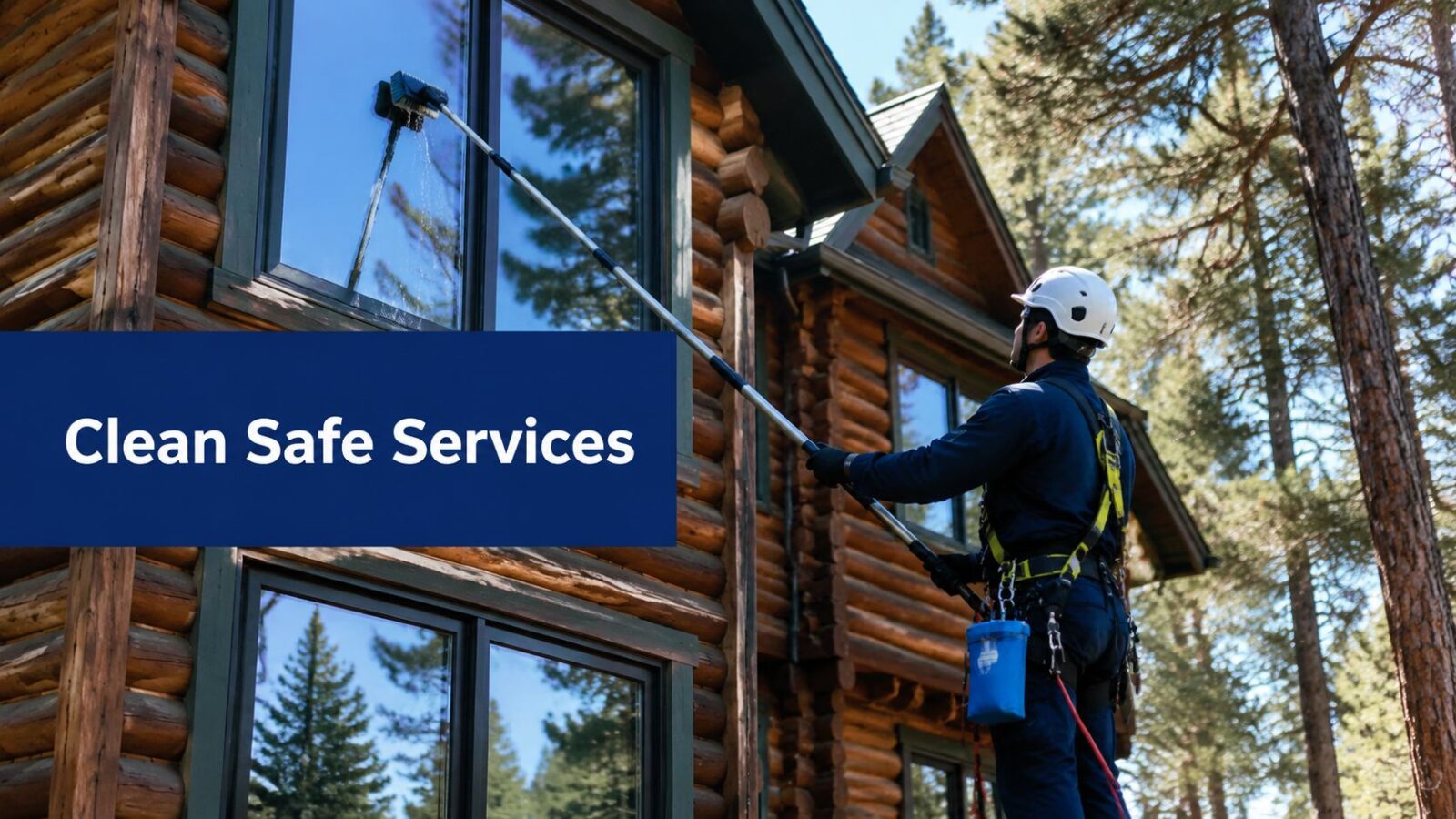
You've got a crew coming, and the primary question isn't whether the job will look better when it's done. It's whether the people on your property will work carefully, protect the finishes you paid for, and leave the place safer than they found it. That matters in Flagstaff, Munds Park, and the rest of Northern Arizona, where cabins, tall glass, pine debris, and high-access work all raise the stakes.
Clean safe services is the standard that answers that concern. It means the work is clean, but it's also organized around property protection, worker safety, and dependable execution, not shortcuts.
The Importance of Hiring a Truly Safe Service
A homeowner usually feels the same tension before hiring a crew. The windows need attention, the gutters are full, or a rental property has to be turned quickly, but nobody wants scratched glass, damaged screens, wet floors, or a ladder mishap on their driveway. In Northern Arizona, that concern is justified, because many jobs involve height, tight access, delicate trim, or weathered surfaces that don't forgive sloppy work.
That's why clean safe services should be treated as a service standard, not a marketing phrase. A company that takes safety seriously protects both the property and the people on site, which is exactly what Pine Country Window Cleaning has built its local reputation around since 1999 on its reliable cleaning services page and business history.
Practical rule: if a crew can't explain how they'll protect your property before they arrive, they probably haven't planned the job well enough.
For property owners, the value is simple. Careful crews reduce the chance of avoidable damage, and they create a calmer service day for everyone involved. That kind of confidence doesn't come from a glossy ad. It comes from a company that has actual routines for access, equipment checks, communication, and cleanup.
What Are Clean Safe Services Really
The phrase breaks into three pillars, and all three matter.
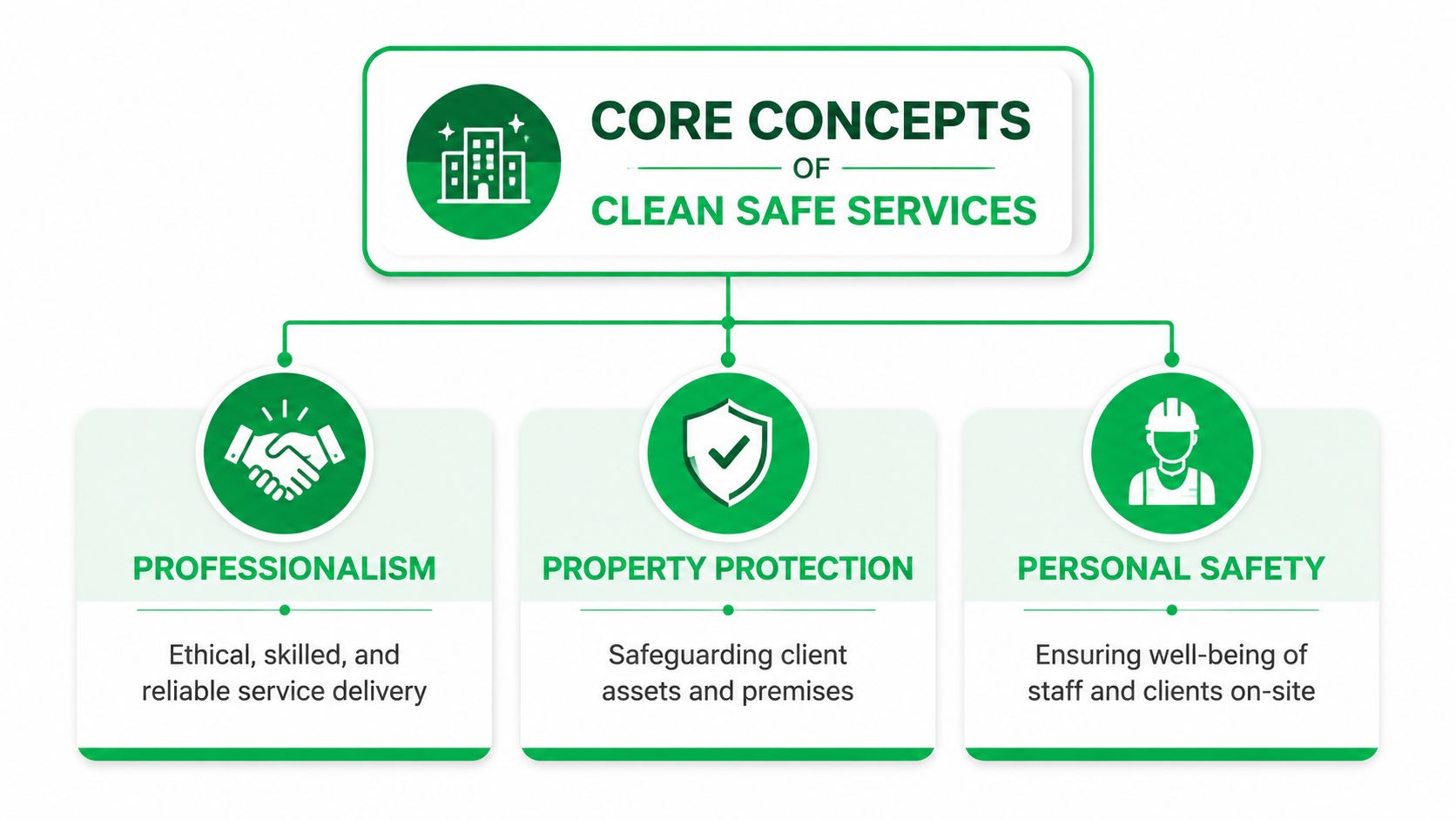
Professionalism
Professionalism means the crew shows up prepared, communicates clearly, and works in a way that matches the property. In practice, that means technicians who know the sequence of a job, keep tools organized, and don't improvise on delicate surfaces. It also means the company gives you realistic timing and answers questions without making you chase them for basic details.
For a business owner, professionalism is easy to spot once you know what to watch for. The crew should be able to say what they're doing, what they need from you, and what they'll put back when they finish. That's one reason growth guidance for cleaning companies, such as Polaris Marketing Solutions' growth strategies, often emphasizes credibility and repeatable service, because trust comes from process, not slogans.
Property Protection
Property protection is where the difference between a clean job and a careless one becomes visible. Public-sector cleaning specifications require equipment to be in perfect condition and fitted with protective features such as padded ladder ends and rubber-protected carts, so building surfaces and fixtures aren't damaged during routine work, as documented in these technical cleaning specifications. That same idea applies to homes and cabins.
A safe crew uses the right contact points, the right reach tools, and the right sequence. They're not dragging hard edges across wood trim or leaning unstable gear against stucco. They're protecting screens, glass, railings, floors, and landscaping while they work.
Personal Safety
Personal safety covers the workers and the property owner. It includes insurance, training, and the habit of using the right gear for the task. If a company is serious, it can explain how it manages height work, ladder placement, and slip hazards without sounding vague.
That's where a practical resource like understanding JSA and SWMS helps, because it shows how planning tools reduce risk before the first ladder goes up. Safe service is built before the job starts, not after someone notices a hazard.
Key Safety Protocols of a Professional Crew
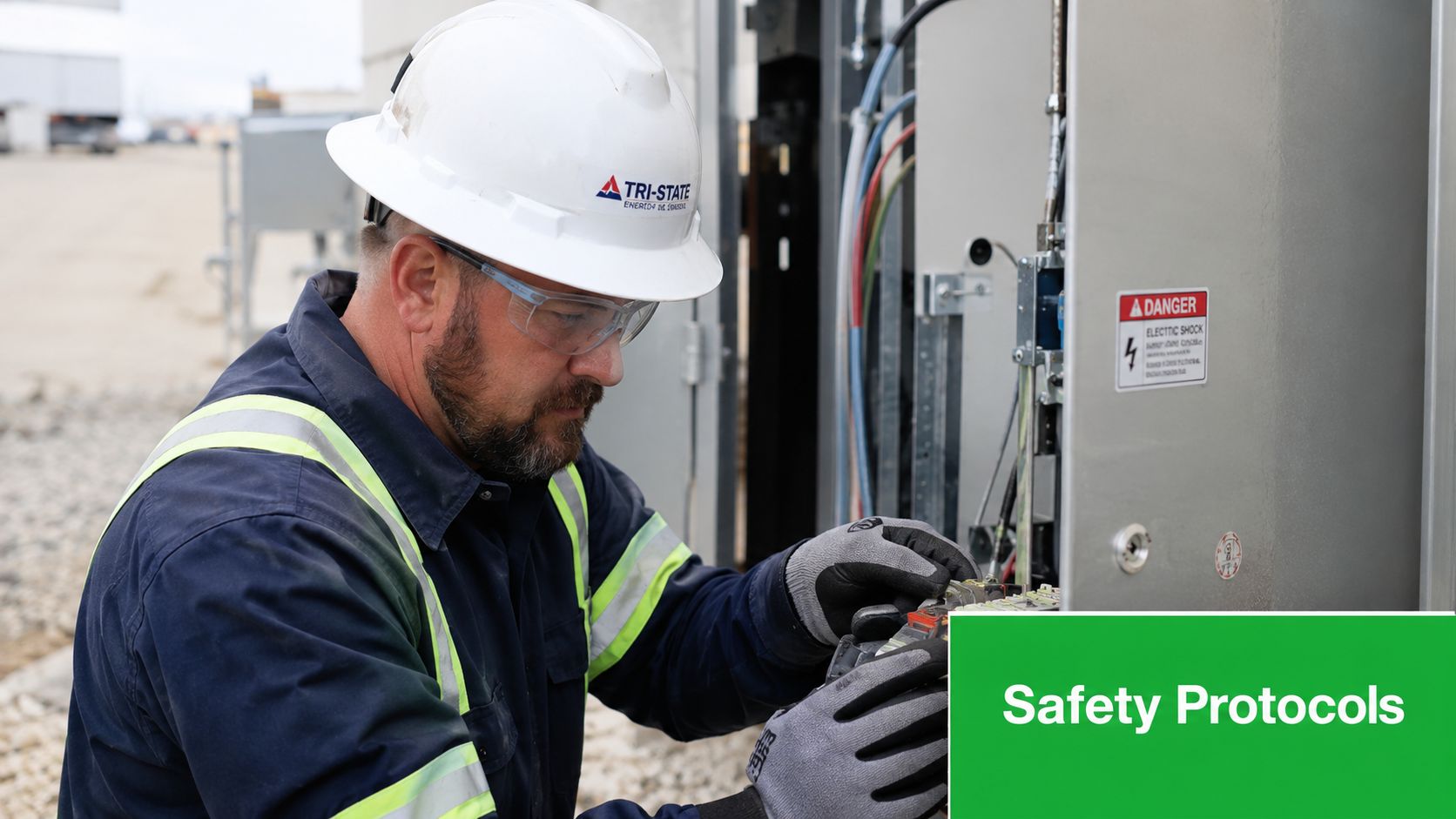
A serious crew treats insurance, training, and tools as the controls that keep a property job from turning into a liability problem. In public-sector work, the expectations are direct, equipment has to be in good condition, and defective tools get replaced quickly because broken gear adds risk and slows the job. That same standard should show up on homes, cabins, and commercial properties in Northern Arizona.
Insurance and documentation
“Fully insured” means the company can show current proof, not just use the phrase on a website. For a homeowner or property manager, that matters because a real policy structure helps separate a professional operator from someone with a truck and a ladder. Ask for a current certificate of insurance and check that the name on the certificate matches the business you're hiring.
You should also ask how the company handles work at height. Falls remain a serious concern in this trade, so verifiable safety documentation matters before anyone starts on ladders or lifts. That question matters even more on multi-story homes, cabins, and commercial glass, where access problems can turn a small mistake into a major one.
Training and job planning
Training matters because safe work is rarely accidental. Crews need to understand access, exposure, and surface protection before the first pass with a tool. A trained technician knows when a ladder is appropriate, when a pole is the safer choice, and when a lift should replace a risky reach.
A good crew plans the route to the glass before it touches the glass.
That planning is easy to miss until you see a crew avoid the shortcut that would have scratched a sill, bent a screen frame, or forced a dangerous lean. Professional preparation is what keeps the work smooth and prevents avoidable repair costs. It also shows up in how a company approaches local jobs, including crews such as Pine Country Window Cleaning that work in the Flagstaff area.
Tools that fit the job
Professional equipment looks different from amateur gear because the work is different. For window cleaning, that means squeegees, water-fed poles, pure-water brushes, ladders used correctly, and access equipment sized for the structure. It does not mean improvised tools, unstable positioning, or habits that belong in a kitchen, not on glass.
If a property has hard-to-reach windows, skylights, or tall facades, the crew should bring the access method that makes the work safer, not merely the cheapest one. If they cannot explain why their equipment fits your building, they probably have not thought through your risk profile very well.
A professional crew also keeps its planning simple and documented. That includes tools, access, and task sequencing, plus a clear method for reducing hazards before work starts. For a practical example of that kind of planning, see understanding JSA and SWMS. A safe service is built before the first ladder goes up.
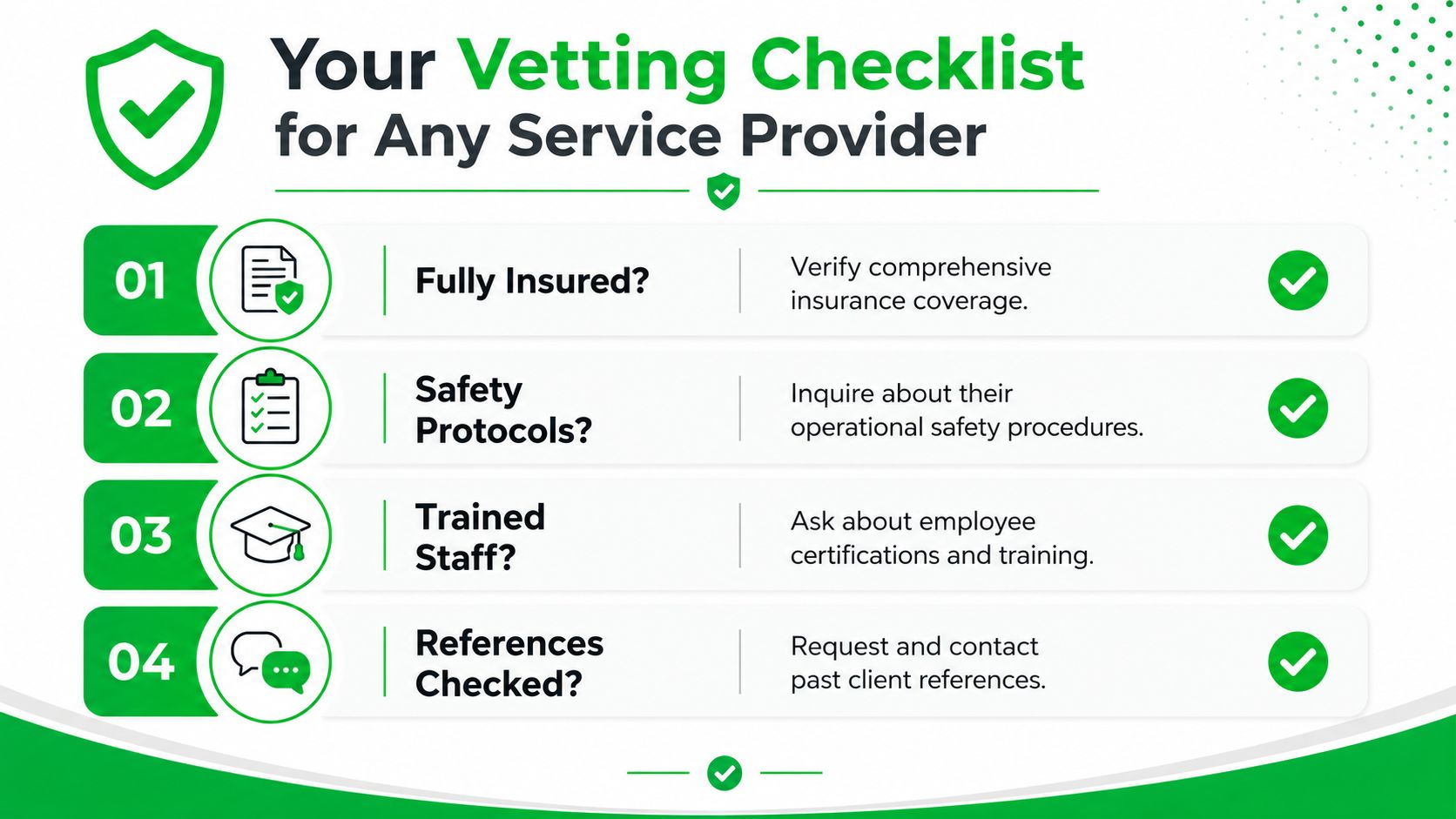
Your Vetting Checklist for Any Service Provider
Hiring gets easier once you stop relying on polished language and start asking for proof. A safe provider should answer direct questions without getting defensive, because those answers show how the company operates. For homeowners, cabin owners, and facility managers, that is the quickest way to separate marketing from operating standards.
Start with the paperwork
Ask for a Certificate of Insurance and check that it is current. Then ask what coverage they carry and how it applies to your property type. If they only give general language, that is not enough for work that involves ladders, access equipment, or interior finishes.
You should also ask what happens if a worker is injured on-site. A professional answer sounds operational, not vague. If the company cannot say who is responsible for what, the risk is not being managed well.
Ask about training and procedures
A strong provider should be able to describe its safety training and access methods. Ask, “What safety documentation can you provide?” and listen for a specific answer instead of a sales pitch. That question matters because fall hazards remain a serious part of occupational injury, as shown in the BLS fatal injury data.
You can also ask whether technicians are trained for ladders, lifts, or specialty work on your property. A good company will not be offended by that. It will be ready for it.
Check reviews for property care
Reviews matter most when customers mention details that are hard to fake, like punctuality, communication, and respect for the home. Look for comments about whether screens were handled carefully, floors stayed protected, and the crew cleaned up after itself. That kind of feedback is more useful than a generic five-star rating with no detail.
For local service visibility, Pine Country's Flagstaff presence and customer feedback are easy to verify on its cleaning services in Flagstaff page and public listing activity. That does not replace your own vetting, but it does show how a real service footprint looks in practice.
Confirm the equipment matches the job
Ask what equipment they will use and why. For a tall home, a cabin, or a commercial property, the answer should fit the site, not a standard script. If the company cannot explain how its tools reduce damage or exposure, that is a warning sign.
A short list helps here:
- Current insurance: Verify the policy is active and tied to the company name.
- Training proof: Ask what safety and access training technicians receive.
- Job-specific equipment: Confirm they use tools suited to your property.
- Review patterns: Look for repeated comments about care, punctuality, and cleanup.
Northern Arizona's Unique Property Challenges
Flagstaff and the surrounding communities don't behave like a flat, mild climate market. High-altitude sun can be harder on exterior materials, cabins collect debris differently from suburban homes, and wind-driven dust shows up on glass, trim, and screens in ways that punish rushed work. A one-size-fits-all approach usually misses those differences.
The local property mix adds another layer. Forested neighborhoods and cabin areas deal with pine needles, roof valleys, and access issues that make routine service more complicated than a standard single-story tract home. That's why Pine Country's structure, with offices in both Flagstaff and Munds Park, is built to serve distinct property types across Northern Arizona with responsive scheduling and local coverage, as noted on its main site.
That matters because the right cleaning method depends on the building. A glass-heavy storefront, a second home in the pines, and a campus facility all create different exposure points, different access needs, and different cleanup expectations. The best crews adjust the plan to the property instead of trying to force the property into their default routine.
In Northern Arizona, safety isn't just about avoiding injury. It's also about avoiding preventable wear on glass, screens, seals, and finishes.
How Pine Country Puts Safety into Practice
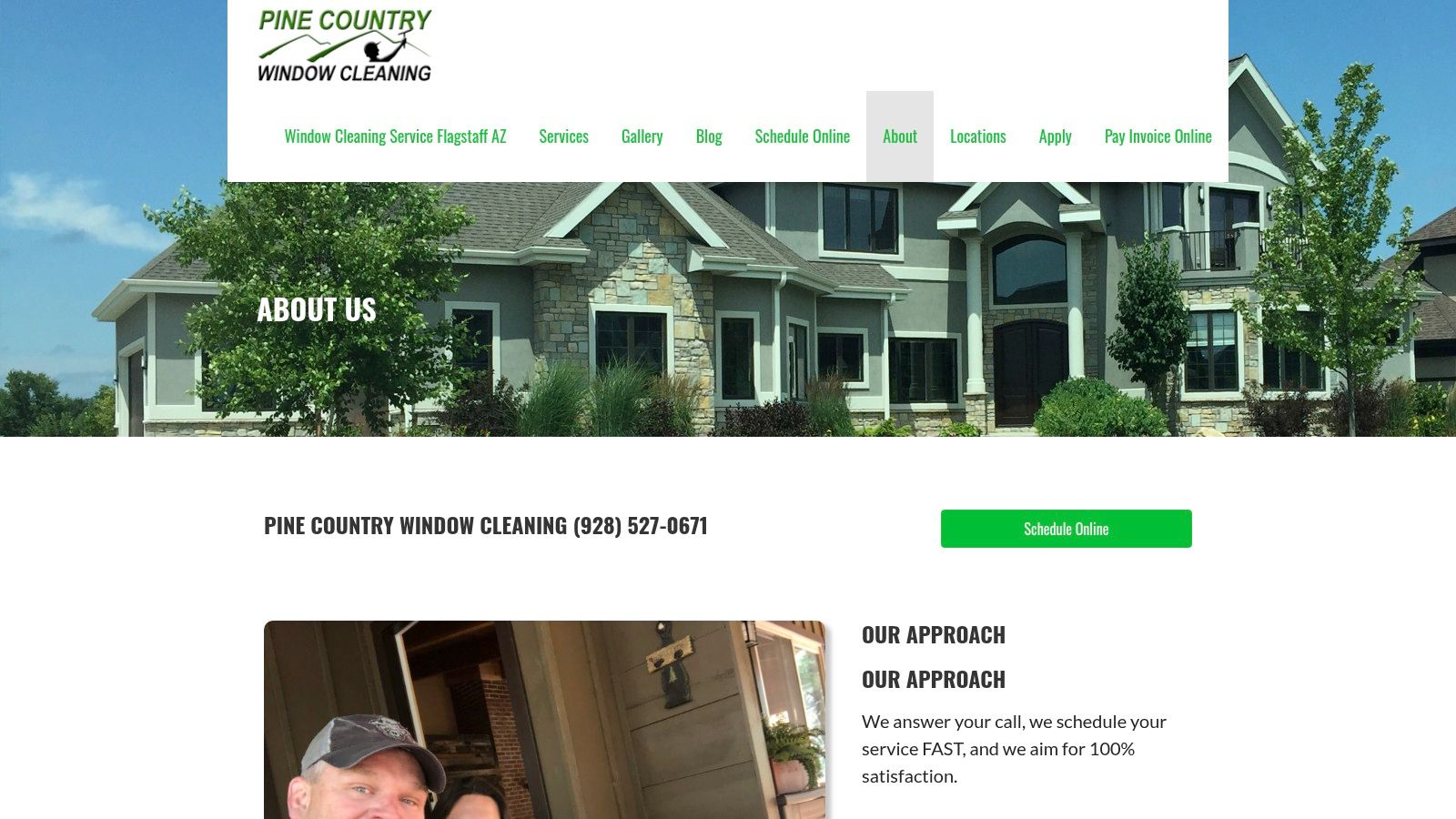
A safe service shows up in the details. Pine Country Window Cleaning is a practical local example because it pairs long-term presence with a service model built around real property conditions in Northern Arizona. The company says it has served Flagstaff and Northern Arizona since 1999, which points to more than two decades of local work, as stated on its about page. It was started by Flagstaff native David Kaminski, and that local origin is reflected in how the business is organized around area properties, not just a single neighborhood.
Screen handling is one place where that approach is visible. Pine Country removes, cleans, and reinstalls screens with every service, which helps keep dust and debris from sitting behind the glass and affecting the finished result. That routine also reduces the chance that a rushed job leaves the property looking only partly cleaned.
The company also uses in-house equipment, including boom and atrium lifts, which helps it reach difficult glass safely on larger properties. For homeowners and facility managers, that means the access method can match the structure instead of pushing the crew toward a risky workaround. If you are comparing providers, ask whether they own or control the tools they need, because access equipment belongs in the safety plan, not at the end of it.
Frequently Asked Questions About Safe Services
Bonded and insured are not the same thing. Insurance helps address damage or injury risk tied to the work, while a bond is a separate form of financial protection in certain business arrangements. For most residential and property-service jobs, current insurance is the first thing to verify.
You should ask for three things before work starts. First, a current Certificate of Insurance. Second, a clear explanation of the company's safety procedures for ladders, lifts, or work at height. Third, an explanation of how they protect surfaces, screens, flooring, and landscaping while they work.
Cleaning products are the other common question. The EPA's Safer Choice guidance supports the idea that low-chemical options can be appropriate in many settings, but stronger agents still have a place when sanitation demands it, especially in commercial or high-traffic spaces. The right choice depends on the job, and safe service means using the least aggressive method that still meets the actual sanitation need.
If you want a simple rule, use this one. Ask what they'll use, why they're using it, and how they'll keep your home or building protected during and after the job.
A CTA for Pine Country Window Cleaning. If you need window cleaning, screen cleaning, gutter work, or access-safe service in Flagstaff, Munds Park, or anywhere in Northern Arizona, call Pine Country Window Cleaning and ask what they'll use on your property, how they'll protect it, and when they can schedule your job.