
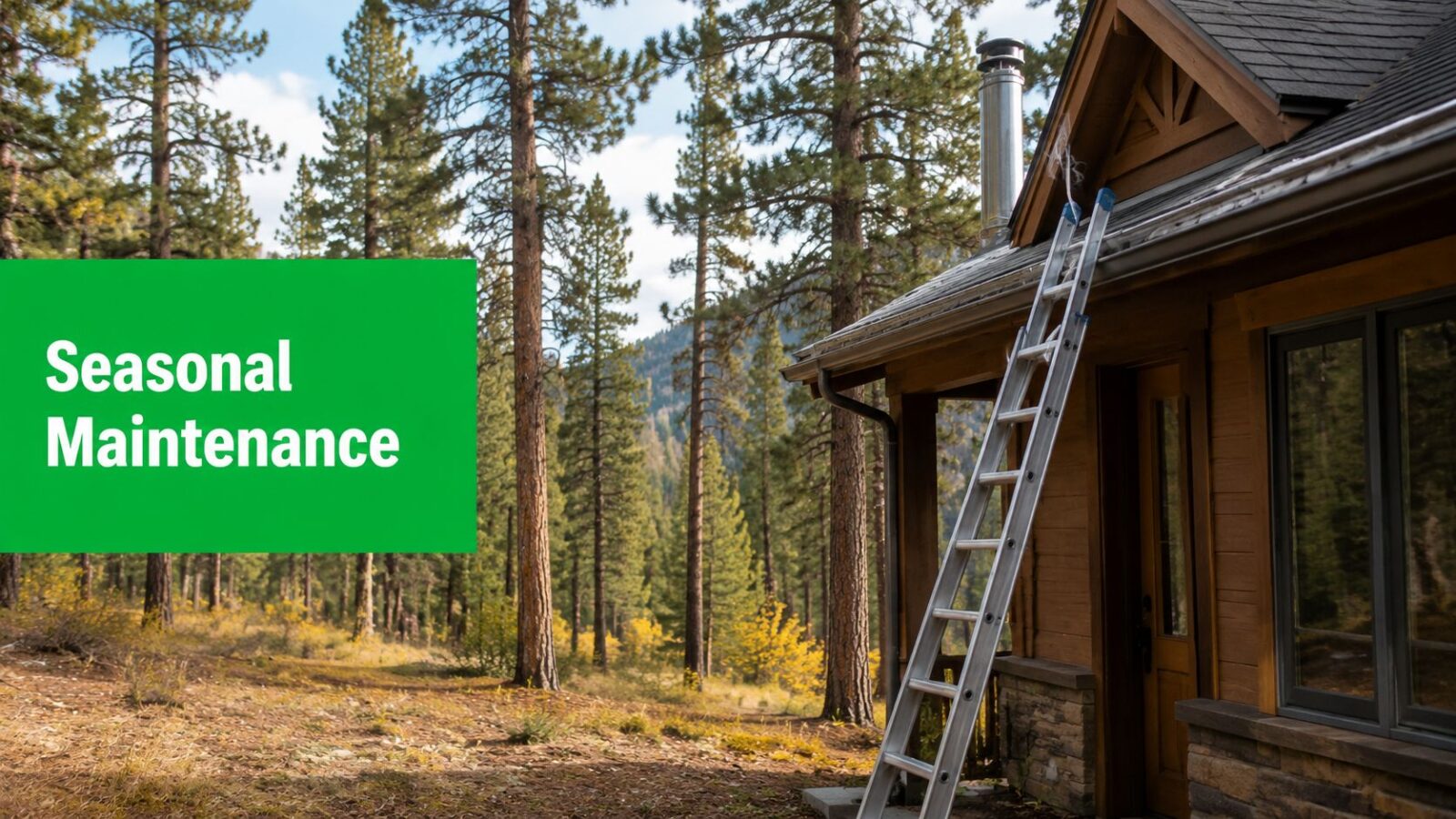
If you own a home in Flagstaff, Munds Park, Forest Highlands, or Pine Canyon, you already know the uneasy feeling. A warm afternoon turns into a hard overnight freeze. Snow melts off one roof slope while the shaded side stays locked in ice. You leave town for a couple of weeks and come back wondering what happened while nobody was watching.
That's where generic home maintenance advice stops being useful.
Northern Arizona punishes late timing. The properties that hold up best here aren't always the newest or the most expensive. They're the ones maintained on a local schedule, with local weather in mind, and with real attention to roofs, gutters, plumbing, windows, screens, HVAC, drainage, and snow.
Why Northern Arizona Property Maintenance Is Different
A lot of homeowners still follow maintenance timelines written for lower elevations. That's a mistake in Flagstaff and the surrounding mountain communities.
The issue is the high-altitude freeze-thaw cycle. In Arizona's high country, NOAA data and a University of Arizona finding summarized here show that rapid temperature swings can begin as early as October, pushing ice dam and pipe-burst risk 30 to 45 days earlier than many owners expect. The same University of Arizona finding reported that 68% of residential water system failures in high-altitude zones happened before standard winterization dates.
That changes everything about seasonal property maintenance. If you wait for the calendar to tell you it's time, you're often already behind.
Why standard checklists fail here
In lower elevations, people can get away with a late-fall shutdown. In Flagstaff, that lag can cost you a ceiling, a drywall repair, flooring replacement, insulation replacement, and mold cleanup.
Common failures usually start small:
- A hose bib stays connected and traps water in the line
- A gutter holds debris and backs up during an early storm
- A window seal opens up after repeated expansion and contraction
- A roof edge stays cold while interior heat melts upper snowpack
Local rule: In mountain towns, maintenance timing matters as much as the task itself.
Second-home owners are especially exposed. If you're not on site every week, you need a schedule built around earlier action, not a checklist copied from Phoenix, Denver, or a national blog. Owners in communities like Pine Canyon homes in Flagstaff usually need to think about access, vacant periods, tree cover, snow drift patterns, and sun exposure on specific elevations of the home.
What works in Northern Arizona
The properties that do well here follow a simple principle. Handle weather-facing systems before the season turns, not after.
That means:
- sealing and inspecting before the first serious cold snap
- cleaning drainage paths before runoff starts
- addressing exterior glass, frames, and screens as part of envelope care
- treating rooflines, plumbing, and vents as priority systems, not afterthoughts
That's the difference between routine maintenance and expensive recovery work.
Your Four-Season Northern Arizona Maintenance Plan
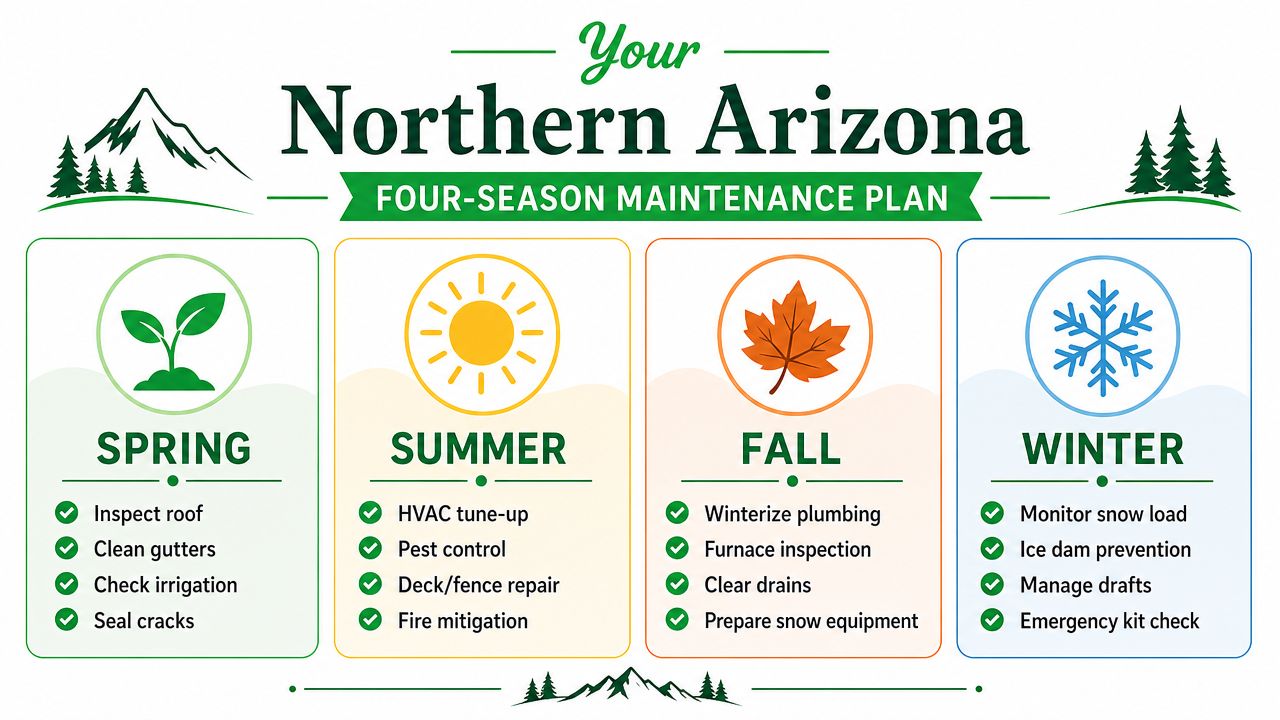
Seasonal property maintenance works best as a cycle. Spring repairs winter damage. Summer protects against sun, dust, and wildfire conditions. Fall is your winterization window. Winter is active monitoring, not a time to ignore the house until thaw.
Spring priorities
Winter leaves behind hidden damage. Snow load, ice, and repeated thaw cycles loosen shingles, open sealant joints, and clog drainage.
Focus on:
- Roof inspection: Look for shifted shingles, flashing problems, and vulnerable valleys.
- Gutter and downspout cleaning: Get runoff moving away from the structure.
- Irrigation startup: Test lines and heads before steady use.
- Crack sealing: Check trim, penetrations, and exterior joints.
Summer priorities
By summer, the threats change. UV breaks down exposed materials, monsoon storms test drainage, and wildfire season raises the stakes around vegetation and debris.
Your summer work should include:
- Cooling system service
- Vegetation control and defensible space
- Deck, fence, and exterior wood repair
- Window and screen cleaning after dust and storms
For the outdoor side of the property, practical year-round landscaping advice can help owners think beyond mowing and into drainage, plant timing, and seasonal cleanup.
Fall priorities
Fall is the most important service window in Northern Arizona. This is when you shut down risk before freeze events become routine.
Use fall for:
- Plumbing winterization
- Furnace and vent checks
- Final gutter clearing after leaf drop
- Snow tool and access prep
The homes that avoid winter disasters usually did their work weeks earlier, while conditions were still easy to manage.
Winter priorities
Winter maintenance isn't passive. You need eyes on the property, especially after storms or sharp temperature drops.
Keep your attention on:
- Snow accumulation on roofs and access paths
- Ice dam warning signs
- Interior temperature stability
- Emergency access and equipment readiness
That full-year rhythm is what keeps small defects from becoming major repairs.
Spring Checklist Preparing for Monsoon Season
Spring in Northern Arizona isn't just cleanup. It's recovery plus preparation. You're dealing with what winter stressed, and you're getting ahead of summer runoff, dust, and monsoon rain.
The first places to check are the roofline, drainage path, and exterior envelope. If winter pushed water where it shouldn't go, spring is when you'll usually find the evidence.
Start with drainage and roof edges
For homes with snow exposure, cleaning gutters and downspouts at least twice annually, in spring and fall, is specifically recommended to help prevent water damage from ice dams and heavy snow loads. In Flagstaff, that's not optional. Debris left behind from winter will block flow during spring melt and again during early monsoon storms.
Walk the perimeter and look for:
- Overflow marks: Dirt lines on fascia or siding often show where water spilled over.
- Downspout discharge issues: Make sure water exits away from the foundation.
- Sagging sections: Heavy snow and packed debris can pull gutters out of pitch.
- Roof edge wear: Watch for shingle lift, granule loss, and damaged flashing.
If the home has tall elevations or steep access, professional gutter cleaning in Flagstaff is often the safer choice because it pairs ladder work with full downspout clearing instead of a quick surface scoop.
Check exterior glass the right way
Spring window cleaning does more than improve the view. It helps spot failed seals, frame wear, hard-water residue, and screen damage before summer heat sets in.
Professional window cleaning should use the right tools. That means squeegees, ladders, poles, and pure-water brushes, not a rag, spray bottle, or newspaper. Good service also includes removing screens, cleaning screens, and reinstalling them properly so the whole opening is addressed, not just the glass.
Clean glass matters, but clean tracks, intact screens, and careful handling matter just as much.
This is also the season to inspect caulk lines and trim around windows and doors. Freeze-thaw movement often opens small gaps that later become air leaks and water-entry points.
Get mechanical systems ready before heat and storms
Spring is when HVAC problems still feel manageable. Waiting until the first hot stretch usually means slower scheduling and more expensive emergency calls.
A solid checklist includes:
- Filter replacement
- Visual duct and vent inspection
- Condensate drainage check
- Outdoor unit clearing
- Thermostat testing
If you want a good regional example of what a pre-summer AC tune-up should cover, review the scope and then make sure your own provider is handling those basics before peak demand.
Also test irrigation carefully. Broken heads, cracked risers, and misdirected spray can waste water and soak siding or foundations. In mountain communities, irrigation systems often show their winter damage only when spring startup begins.
Summer Checklist Wildfire Mitigation and Upkeep
Summer in Northern Arizona has two personalities. Early summer is dry, dusty, and fire-conscious. Then monsoon moisture arrives and exposes every weak spot in drainage, grading, and exterior maintenance.
A summer checklist has to deal with both.
Reduce fire fuel around the structure
Pine needles collect fast in Flagstaff and Munds Park. They pile up on roofs, in gutters, under decks, along fences, and around foundation edges. That material doesn't just look untidy. It creates ignition risk and blocks proper drainage.
Walk the property with a disposal plan, not just a rake.
Clear:
- Needles on roof transitions and in valleys
- Debris under decks and stairs
- Dry material against siding
- Overhanging limbs near rooflines
- Accumulations behind outbuildings and screens
Properties surrounded by pines need more frequent light cleanup than occasional heavy cleanup. That's what works here.
Protect exterior surfaces from sun and storms
UV at elevation is hard on exposed wood, paint, and sealants. Summer is the time to catch failing stain on decks, cracked trim paint, loose fence boards, and weathered door thresholds.
A simple field test helps. Press on suspect wood with a screwdriver tip. If it feels soft, spongy, or crumbly, you're past cosmetic maintenance and into repair.
Use this season to inspect:
- Deck fasteners and handrails
- Fence posts and gate alignment
- Exterior paint breakdown on sun-facing walls
- Sealant joints around trim and penetrations
Keep windows, screens, and upper glass serviceable
Monsoon storms leave behind dust film, pollen residue, splash marks, and mineral spotting. High glass and clerestory windows are where DIY maintenance usually fails. The problem isn't effort. It's access and tool choice.
A pure-water fed pole system is ideal for exterior glass that sits above ladders most homeowners should be using. It reaches upper panes safely and rinses without leaving soap residue behind. That matters on homes with large view windows, entry glass, and second-story elevations where hard-water spotting shows up quickly after summer storms.
Screens need attention too. Dust-loaded screens cut airflow and trap debris against the frame. Removing them, washing them properly, and reinstalling them cleanly protects both appearance and ventilation.
Don't ignore the cooling side of the house
Summer also tests your mechanical systems. Filters load faster when dust and pollen increase. Supply vents get blocked by furniture or storage. Exterior equipment collects debris.
What works is routine attention, not waiting for a no-cool call:
- Change filters on schedule
- Keep outdoor equipment clear
- Check for unusual noise or short cycling
- Watch rooms that drift warmer than the rest
When one room heats up first, it often points to airflow issues, duct leakage, or solar gain around the windows and doors. That's easier to fix in summer than during a tenant complaint or a full-occupancy weekend.
Fall Checklist Preparing for the First Freeze
If I had to pick one season where owners either save themselves a major repair or set one up, it's fall. In Northern Arizona, this is the narrow window where weather is still workable and consequences haven't arrived yet.
Wait too long, and routine maintenance turns into emergency response.
Winterize plumbing before the weather forces you to
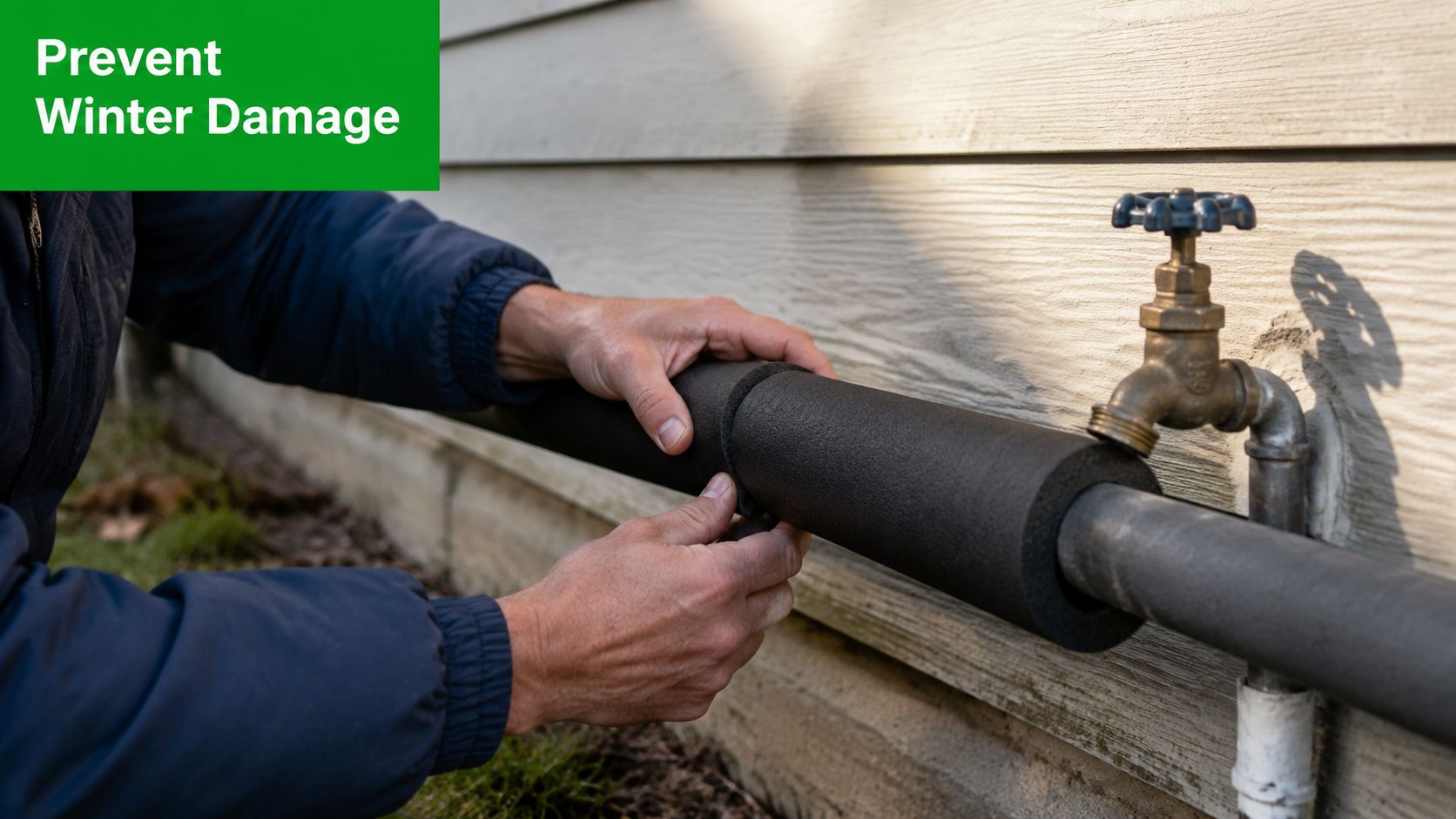
Start outside. Disconnect hoses. Shut off exterior water where the setup allows it. Drain irrigation components and vulnerable lines. Insulate exposed piping and hose bibs.
This is also the time to walk every exterior wall and check for openings around pipe penetrations, vents, sill areas, and trim joints. Small gaps become winter drafts, then ice, then moisture problems.
A good fall winterization pass includes:
- Exterior spigot shutdown
- Sprinkler and irrigation blowout
- Pipe insulation on exposed runs
- Door and window draft sealing
- Crawlspace or utility area inspection
Handle vents and combustion appliances seriously
One of the most overlooked fall tasks is dryer vent cleaning. It gets skipped because people assume lint at the trap is the whole job. It isn't.
According to the National Fire Protection Association data referenced here, clogged dryer vents are responsible for 15,000 fires annually in the U.S. That alone makes vent cleaning a real fall maintenance item, not a bonus chore.
Safety note: If your dryer is taking longer to dry, feels hotter than usual, or leaves the laundry room humid, check the vent path before winter use ramps up.
Furnace service belongs in the same fall window. Listen for delayed ignition, airflow imbalance, or unusual odor at startup. Those are signs to call a qualified HVAC technician before cold nights become consistent.
Do the final drainage cleanup after leaf drop
Many owners often get tripped up. They clean gutters too early, then pine needles and leaves refill them before the first snow.
The better approach is a final post-drop cleaning that clears:
- Horizontal gutter runs
- Downspout elbows
- Roof valleys
- Ground-level drain exits
That final cleaning helps prevent trapped water, roof edge ice, and backing overflow once storms arrive. In a place with snow, that's basic protection of the building envelope.
Winter Checklist Managing Snow Load and Ice Dams
Winter maintenance in Flagstaff isn't about waiting for spring and hoping for the best. It's active property management. Snow load, frozen drainage, and indoor temperature swings all need attention while the season is happening.
Understand what freezing water does
In severe freeze-thaw conditions like Northern Arizona, water trapped in uninsulated pipes expands by about 9% when freezing, creating internal pressure above 2,900 psi. That pressure ruptures pipes. The same verified data notes that proactive winterization reduces plumbing failure incidents by 85% and prevents an average of $12,000 in emergency repair costs per property.
That's why winter failures often feel sudden but aren't random. The setup happened earlier. Winter just reveals it.
When a pipe bursts, the damage doesn't stop at plumbing. Wet insulation, stained drywall, flooring loss, and mold risk follow immediately. In a vacant house, that chain can continue for days before anyone sees it.
Watch for ice dam warning signs
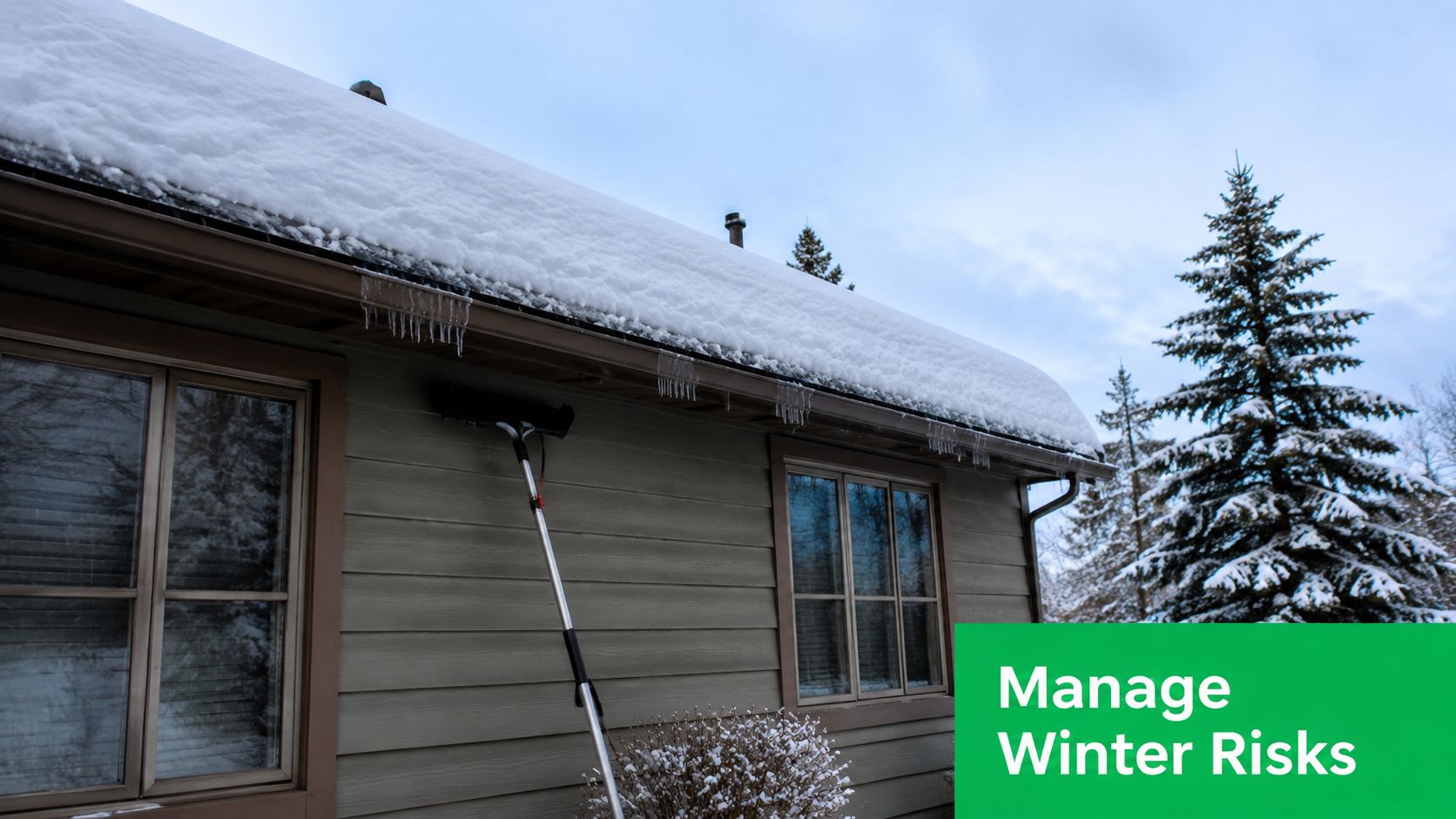
Ice dams form when roof temperatures vary enough to melt snow upslope while lower roof edges stay cold. The meltwater runs down, refreezes at the colder edge, and starts backing up under shingles.
Look for:
- Icicles concentrated at eaves
- Thick ridges of ice at gutter lines
- Interior staining near exterior walls
- Repeating drip marks around soffits
- Snow patterns that melt unevenly over heated areas
If you're dealing with repeated buildup, the answer usually isn't just to remove ice. It's to correct the heat loss, ventilation issue, drainage obstruction, or roof-edge condition that caused the cycle.
For access, walkways, entries, and storm response, a standing Flagstaff snow removal service is often the practical move for second homes, rentals, and commercial sites that can't afford blocked access.
A quick visual on winter roof and access conditions helps owners know what to watch for:
Protect vacant and part-time properties
Vacant homes have a different failure pattern. The biggest problem is delayed discovery.
For unoccupied properties in winter, the American Red Cross benchmark cited here advises maintaining indoor temperatures at a minimum of 55°F. That's a practical minimum for protecting plumbing in cold conditions.
Use a winter vacant-property routine:
- Keep interior heat stable
- Check batteries and backup power for monitoring devices
- Confirm access paths after storms
- Inspect for drafts near utility rooms and plumbing walls
A winter house in Northern Arizona needs monitoring, not just a thermostat setting.
When to Call a Professional for Your Property
Some seasonal property maintenance tasks are reasonable for an owner with time, good footing, and the right equipment. Ground-level inspections, filter changes, hose disconnection, irrigation checks, and basic debris pickup usually fall into that category.
The line gets crossed when the work involves height, roof access, snow loading, upper-story glass, steep grades, electrical or combustion systems, or anything that needs specialized tools to do safely and completely.
Good DIY jobs and pro jobs
| Task | Usually DIY | Usually Professional |
|---|---|---|
| Replace HVAC filter | Yes | No |
| Check for visible exterior cracks | Yes | No |
| Clear pine needles at ground level | Yes | No |
| Roof-edge gutter clearing on tall homes | No | Yes |
| Upper-story window cleaning | No | Yes |
| Snow removal on steep access or commercial sites | No | Yes |
| Dryer vent full-path cleaning | Sometimes | Often |
| Furnace service | No | Yes |

Flagstaff owners also need service providers who understand mountain timing and who won't treat homes carelessly. That's where local history matters. Pine Country Window Cleaning has been in business since 1999, was started by Flagstaff native David Kaminski, and is the area's largest window cleaning company. The practical difference shows up in the work itself. They use squeegees, ladders, poles, and pure-water brushes, remove screens, clean screens, and reinstall them with every service. They also handle homes with care, which matters when technicians are moving around trim, landscaping, decks, and entry areas.
If you're hiring out any part of your maintenance plan, pick people who understand Northern Arizona weather patterns, show up with the right equipment, and treat your property like it's not disposable.
If your home, cabin, rental, or commercial property needs help staying ahead of Northern Arizona weather, Pine Country Window Cleaning handles window cleaning, gutter cleaning, and seasonal snow work with the tools and local experience these properties require.