
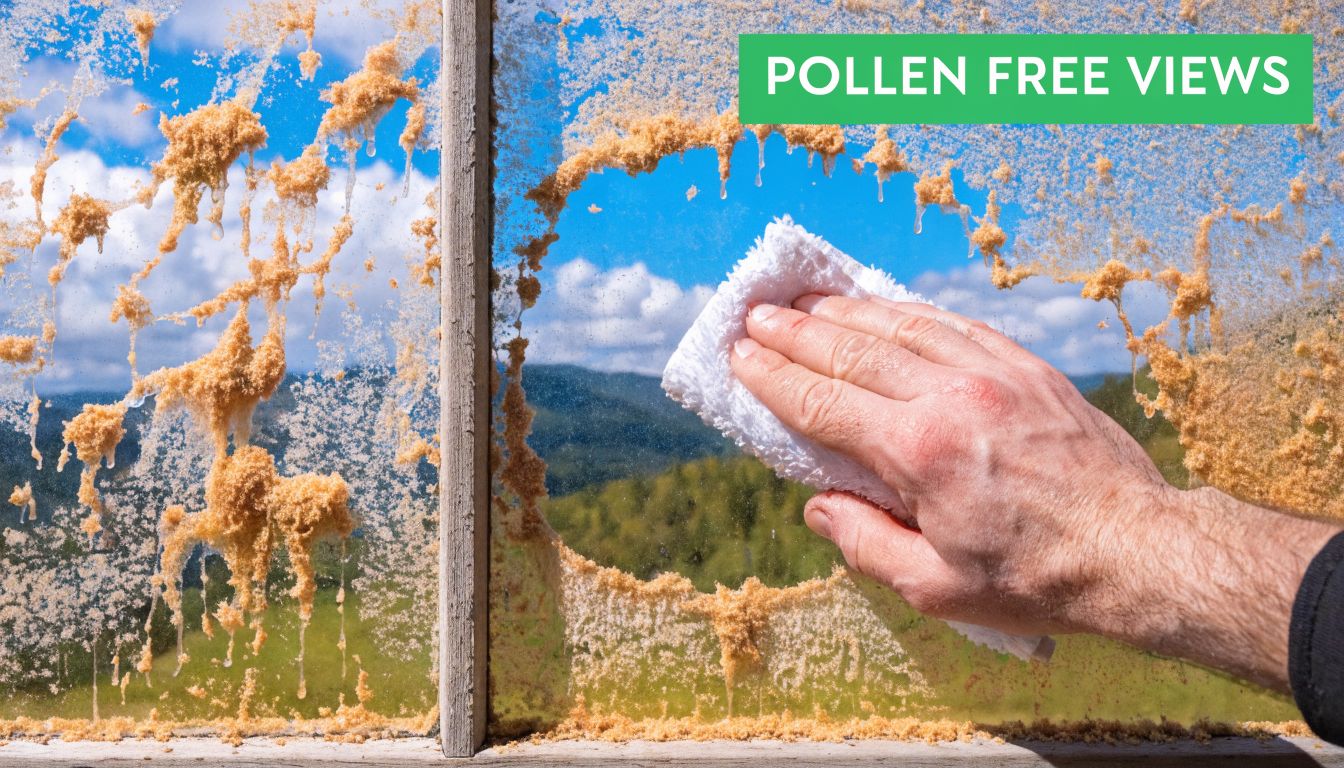
Spring in Flagstaff leaves its signature on glass. Pine pollen turns windows yellow. Summer monsoons paste fine dust to exterior panes. Winter leaves behind grime at the edges, especially on homes with tall exposures and difficult rooflines. By the time many homeowners start searching for the best window cleaning service, they're not looking for a cosmetic extra. They want their view back, and they want the job done safely.
That matters more here than in lower, milder climates. In Northern Arizona, clean windows come from the right tools, the right sequencing, and technicians who understand altitude, weather, and access. The difference shows up in the finish, but it also shows up in how your screens are handled, how your landscaping is respected, and whether the crew can reach awkward glass without taking risks on your property.
Beyond a Streak-Free Shine
Many people begin by focusing on the visible results. They expect clear glass and no streaks. That is reasonable, but a professional service does more than leave the pane looking good for a day or two.
The standard is broader. A strong company protects frames, tracks, screens, sills, landscaping, flooring, and furniture during the visit. It works methodically. It shows up with ladders, extension poles, water-fed brushes, and professional squeegees that match the glass and the access conditions. It also knows when a product or method belongs in a commercial setting versus a home. If you're comparing cleaning chemistry for facilities work, this breakdown of using ammonia in commercial facilities is worth reading because product choice affects safety, residue, and indoor air quality.
What homeowners usually notice first
Most homeowners don't call because they're thinking about blade angle or water purity. They call because the windows never seem to stay clean, or because the last cleaning left haze in the afternoon sun.
That's where experience starts to matter. Professional squeegee work, careful detailing, and proper exterior rinsing produce a finish that looks right in direct light, not just from inside the room.
Practical rule: Clean glass is only half the job. If the crew leaves dirty screens, drips on trim, or fingerprints around the frame, the service wasn't complete.
Why this industry keeps growing
Homeowners and facility managers are increasingly treating window cleaning as regular maintenance instead of an occasional luxury. The U.S. window cleaning industry was valued at $2.9 billion in 2024 and is projected to reach $3.2 billion by 2029, according to Jobber's window cleaning industry analysis. That growth reflects a simple shift. People are willing to pay for convenience, consistent results, and specialized expertise.
That trend makes sense in a place like Flagstaff. High windows, mountain weather, screened porches, second homes, rental turnovers, and post-storm cleanup all push window cleaning out of the casual chore category and into the skilled-trade category.
Here's the practical takeaway. Don't judge the best window cleaning service by shine alone. Judge it by whether the company understands your property, uses professional methods, communicates clearly, and leaves your home better cared for than it found it.
Why Flagstaff Window Cleaning Is Different

Flagstaff isn't a generic window cleaning market. Homes sit among pines, on slopes, behind boulders, and under changing weather that can shift quickly. A method that works fine in a flat suburban tract can struggle here.
The first challenge is high altitude. Glass dries fast. Cleaning solution flashes off quickly in sun and wind. That shortens working time and raises the risk of drag marks and fine streaks if the technician isn't controlling moisture, timing, and blade movement carefully.
Local conditions change the method
Pine pollen is one of the biggest seasonal problems. It doesn't just dust the glass. It builds on screens, settles in corners, and sticks to frames after damp mornings. If a company cleans the pane but rushes the screen process, you get a short-lived result. The next breeze pushes debris right back toward the glass.
Hard water is another issue. Mineral spotting isn't the same as surface dirt. It often needs a different approach, and aggressive scrubbing without testing can do damage. If that's what you're dealing with, this guide on removing hard water stains from windows is a useful place to start.
Then there's monsoon dust. After a storm, glass can look evenly dirty from inside, but outside it often has layered contamination. Fine grit, splash-back near lower panes, and residue at the edges need a more deliberate wash than a quick pass.
Mountain-region window cleaning isn't harder because the glass is different. It's harder because the environment loads the glass with different kinds of debris, then makes access less forgiving.
Access problems are real here
Many Northern Arizona homes have architectural features that complicate the work. Clerestory windows, walkout elevations, A-frame sections, large fixed panes over stairwells, and windows above decks all require planning. A cabin lot with uneven ground changes ladder setup. A custom home with tall interior glass may call for pole work or lift access instead of improvisation.
That's why equipment matters. Industry data cited by Best Pick Reports on window cleaning notes that 68% of high-rise cleaning incidents involve inadequate equipment for wind-exposed sites. That's especially relevant in mountain settings where wind exposure and awkward elevation can turn a simple job into a safety issue.
A homeowner should pay attention to whether a company owns and uses the right tools for the property type. Common examples include:
- Water-fed pole systems for exterior glass where purified water can rinse clean without leaving residue.
- Traditional squeegee setups for interior work and detailed pane-by-pane control.
- Extension ladders and sectional ladders for controlled access on changing elevations.
- Boom lifts or atrium lifts for glass that shouldn't be reached by overextending a ladder.
The best window cleaning service in Flagstaff won't use one method for every job. It adjusts to pollen season, mineral buildup, weather shifts, and the actual structure in front of the crew.
The Non-Negotiables of Hiring a Pro
A nice website and a fast quote don't tell you much about whether a company is safe to have on your property. Vetting matters. More than most customers realize, the quality of the outcome is tied to what the company does behind the scenes.
The most important first check is insurance. If a technician falls, damages property, or gets hurt while working at height, you need to know the company carries the right coverage. That includes general liability and workers' compensation. If a provider gets vague when you ask, that's your answer.
What to verify before anyone starts
Industry analysis cited by Keenwick's article on mistakes to avoid when choosing a commercial window cleaning service states that 62% of customer disputes and service failures stem from poor vetting. The same analysis says skipping insurance verification accounts for 35% of conflicts in commercial contracts. Those numbers come from commercial work, but the lesson applies to homes too. Risk doesn't care whether the building is a house, a cabin, or a hotel.
Ask direct questions and expect direct answers:
- Can you provide proof of insurance? A legitimate company won't treat that as unusual.
- Are your technicians employees or subcontractors? That affects training, accountability, and consistency.
- What safety procedures do you use for ladder and work at height? Good companies can explain their process without hand-waving.
- Do you have experience with high windows on mountain properties? General cleaning experience isn't the same as access experience.
If you own a home with difficult glass, this article on how to clean high windows helps show why access strategy matters as much as cleaning technique.
Safety training isn't optional
Window cleaning looks simple from the ground. It isn't. Ladder angle, tie-off practices, wind judgment, footwear, pole handling, and interior protection all affect the outcome. A crew that's rushed or poorly trained often leaves warning signs before anything serious happens. They lean ladders in bad positions, skip walk-through questions, or carry the wrong tools and start improvising.
Ask this early: “How does your crew handle tall or hard-to-reach glass on uneven terrain?” The answer tells you more than a gallery of before-and-after photos.
Industry credentials can help, but they're not a substitute for common sense. What you want is a provider whose systems reflect professionalism: documented safety practices, trained staff, clear communication, and enough equipment to do the job correctly without creating risk for your home or family.
A homeowner shouldn't have to become a safety expert. But you should be able to spot whether the company takes safety seriously, or just hopes the job goes smoothly.
Evaluating Service Quality and Professional Methods
A window can look clean from the driveway and still be poorly finished. The difference shows up when morning sun hits the glass, when pine pollen sticks to damp edges, or when hard water spotting comes back a week later on the weather side of the house.
Method matters more in Flagstaff than it does in milder, lower-elevation towns. Crews here deal with sharper light, bigger temperature swings, seasonal debris, and homes with access issues that change how the work should be done. A quality company adjusts its process to the glass, the exposure, and the property.
What professional technique looks like
Interior glass still comes down to skilled squeegee work. Professional squeegee techniques can achieve a 95-98% streak-free success rate, while novice attempts often result in a 15-20% rework rate JRacenstein's guidance on starting a window cleaning business. Those results come from controlled handwork, clean rubber, proper solution, and consistent detailing around the edges.
A trained technician knows when a straight pull gives the best finish and when fanning the glass is faster without sacrificing quality. They keep the blade edge clean, avoid over-wetting the frame, and catch the corners before residue dries. On exterior glass, many crews switch to pure-water systems and water-fed brushes where the glass, soil level, and access make sense. That approach works especially well on exterior panes with dust, pollen film, and ordinary mineral buildup, but it still depends on good filtration and the right brush pressure.
Price also needs context. A lower quote may leave out screens, sill wipe-downs, or detailed work on divided panes. Homeowners comparing bids can use this guide to residential window cleaning cost in Flagstaff to see how scope changes the final number.
A professional service should cover the parts of the job that affect the result, not just the glass itself.
| Part of the job | What quality service looks like |
|---|---|
| Screens | Removed carefully, cleaned, and reinstalled correctly |
| Frames and sills | Wiped down as part of the work area, not skipped |
| Interior protection | Towel use, clean shoe practices, and care around floors and furnishings |
| Exterior access | Method chosen based on reach, safety, and window type |
| Final inspection | Visible touch-up and a clear standard for finished work |
Screen care says a lot about the company
Screens tell you a lot about a crew. Bent corners, loose tabs, and poor fit usually mean the crew rushed the job or treated screens like an obstacle instead of part of the window system.
In pine country, that matters. Screens catch fine dust, needles, cobwebs, and spring pollen. If they are not cleaned and reinstalled properly, freshly cleaned glass does not stay clean for long. At our company, screen removal, screen cleaning, and reinstallation are part of every service for that reason. Pine Country Window Cleaning is one local option that follows that full-service approach on Northern Arizona homes.
Good companies also know that one method does not fit every property. A modern subdivision home with standard access may be a pure-water job on the outside. A custom mountain property with French panes, steep grades, or delicate landscaping may call for more ladder work, more hand detailing, and more time on setup.
If you like comparing Peoria's highest-rated yard services before hiring a contractor, it is a useful example of what strong vetting looks like in another home service trade. The same standard applies here. Look for clear process, careful handling, and work that holds up in full sun, not just during the walk-through.
Your Essential Pre-Hire Checklist
Hiring well usually comes down to asking better questions. Most bad experiences start before the cleaning begins. The estimate is vague, the scope is unclear, or the homeowner assumes a task is included when it isn't.
This checklist helps you compare companies without getting distracted by the lowest number on the page.

Questions worth asking on every estimate
- What exactly is included? Ask whether the quote covers interior glass, exterior glass, screen removal, screen cleaning, and screen reinstallation.
- How do you handle high or difficult windows? You want a clear answer about ladders, poles, or lift access.
- Can you provide insurance documentation? Don't settle for verbal reassurance.
- What does your crew do to protect the home? Floors, landscaping, furnishings, and entry areas should all be considered.
- Do you offer recurring service schedules? Seasonal maintenance often makes more sense than waiting until buildup gets severe.
- What happens if something is missed? A professional company should explain its follow-up process plainly.
How to think about pricing
For budgeting, Angi's window cleaning cost guide reports that professional window cleaning averages $220 for a standard home, with labor typically ranging from $10 to $15 per hour per worker. The same source notes that many companies offer 10% to 20% discounts for recurring monthly, quarterly, or semi-annual service contracts.
That doesn't mean every home should cost the same. In Flagstaff, price often shifts based on access, window count, pane style, screen workload, and whether the property has cabins, walkout elevations, or oversized fixed glass. What matters most is transparency. A useful estimate tells you what's included, what's excluded, and why the work is priced that way.
If you want a fuller breakdown of what affects local pricing, this guide to residential window cleaning cost gives a practical overview.
A fast way to compare providers
Use this simple comparison test when you review bids:
- Eliminate any company that won't verify insurance or safety practices.
- Eliminate any estimate that doesn't clearly define the service scope.
- Favor companies that include full screen care and property protection steps.
- Ask whether recurring maintenance is available if your home deals with pollen, dust, or rental turnover.
- Choose the provider whose process makes sense for your specific property, not just the cheapest quote.
A good estimate should leave you with fewer questions, not more. If the conversation feels rushed or evasive, the job usually will too.
The Pine Country Promise to Flagstaff
Flagstaff homeowners don't need generic advice from a flatland market. They need a company that understands screened mountain homes, post-monsoon cleanup, high windows over uneven terrain, and the kind of customer care that earns repeat business over time.
That local knowledge matters. Pine Country Window Cleaning has served Northern Arizona since 1999, and it was started by Flagstaff native David Kaminski. That history shows up in practical ways. The crew understands seasonal pollen, changing weather, second-home scheduling, and the extra attention mountain properties often require.
What that means on the job
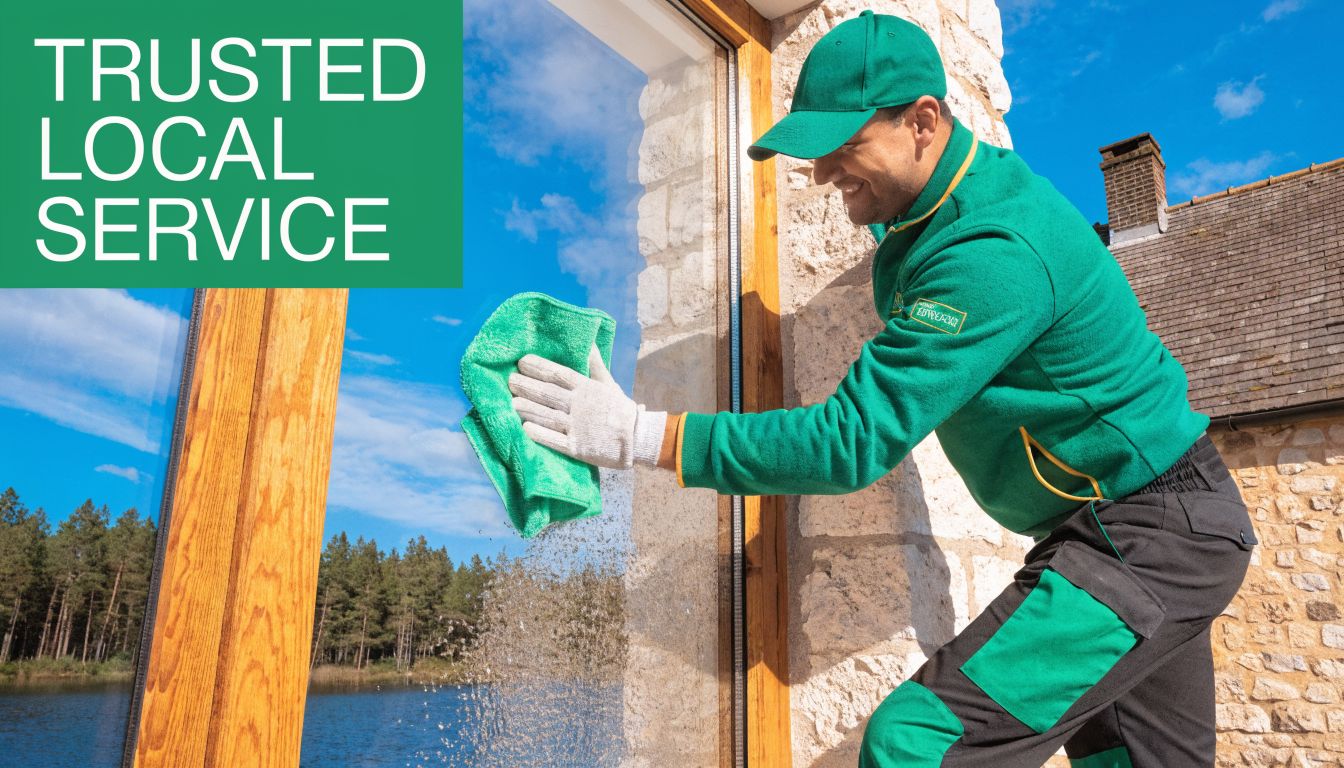
A proper service visit should feel organized from start to finish. Communication should be clear. Arrival should be predictable. Technicians should treat the property with care, not as a quick stop between jobs.
That includes the details homeowners remember:
- Respect for the home through careful movement inside and around the property
- Complete screen care with removal, cleaning, and reinstallation on every service
- The right equipment for difficult access instead of risky shortcuts
- Broader property support when clients also need gutter cleaning, pressure washing, or post-construction cleanup
Why local capability matters
Some properties in Northern Arizona need more than ladders and hand tools. Large custom homes, commercial buildings, atriums, dealerships, and campus facilities may require in-house lift capability and crews trained to use it safely. That's one of the clearest dividing lines between a lightly equipped operator and an established professional service.
A company earns trust when it can explain, in plain language, how it will clean your specific windows safely and thoroughly.
If you're trying to find the best window cleaning service for a home, cabin, storefront, hotel, or managed property in Flagstaff, the right choice is the company that matches local experience with professional methods and dependable care. That's the standard Pine Country has built its reputation around.
If your windows are coated with pollen, marked by hard water, or overdue for a professional cleaning, Pine Country Window Cleaning offers residential and commercial service designed for Northern Arizona properties. Reach out for a quote, ask the hard questions, and choose a team that will care for your home as carefully as it cleans the glass.